
The Introduction of Standard Time and the Era of Railroad Watches
On April 1, 1893, the mean solar time of the fifteenth meridian east of Greenwich—also known as Central European Time (CET)—was legally established for the German Empire.
Before this standardization, each location operated according to its own local time, strictly based on the position of the sun. However, this presented the emerging railway with massive logistical
problems: Railway workers sometimes had to operate two watches simultaneously. The time differences between cities were often as much as 20 minutes. At every major train station, a manual adjustment
of the watch was necessary. To illustrate: Anyone circumnavigating Lake Constance had to reset their watch a total of five times. The military also demanded a standardized time system, as had been
practiced in England and Scotland since 1847. In the USA, the problems associated with rail travel also led to the introduction of a standard time. Furthermore, strict quality standards for railway
workers' watches were agreed upon there after a head-on collision between two trains occurred in Ohio in 1891 – caused by a watch that was only four minutes slow.
The standards for railway watches were defined as follows:
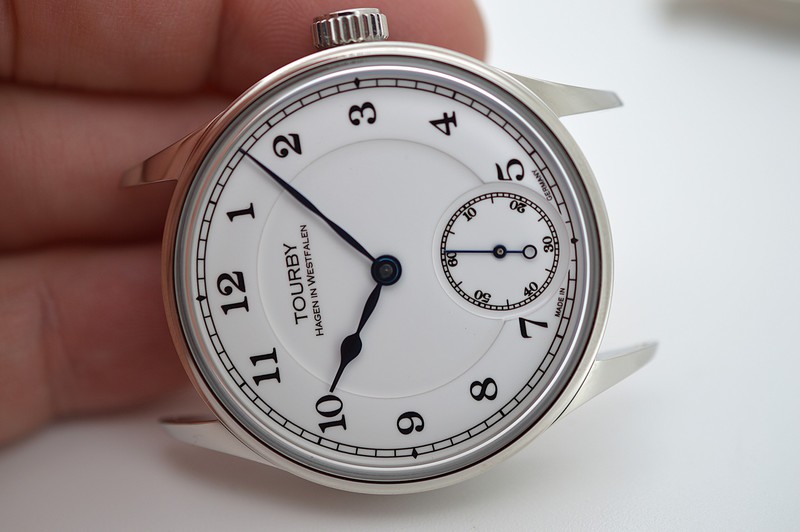
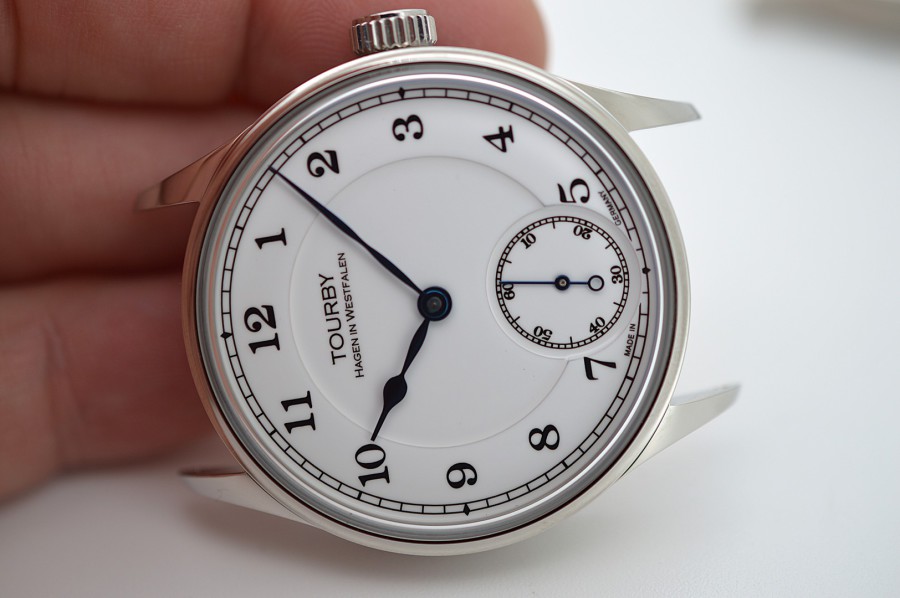
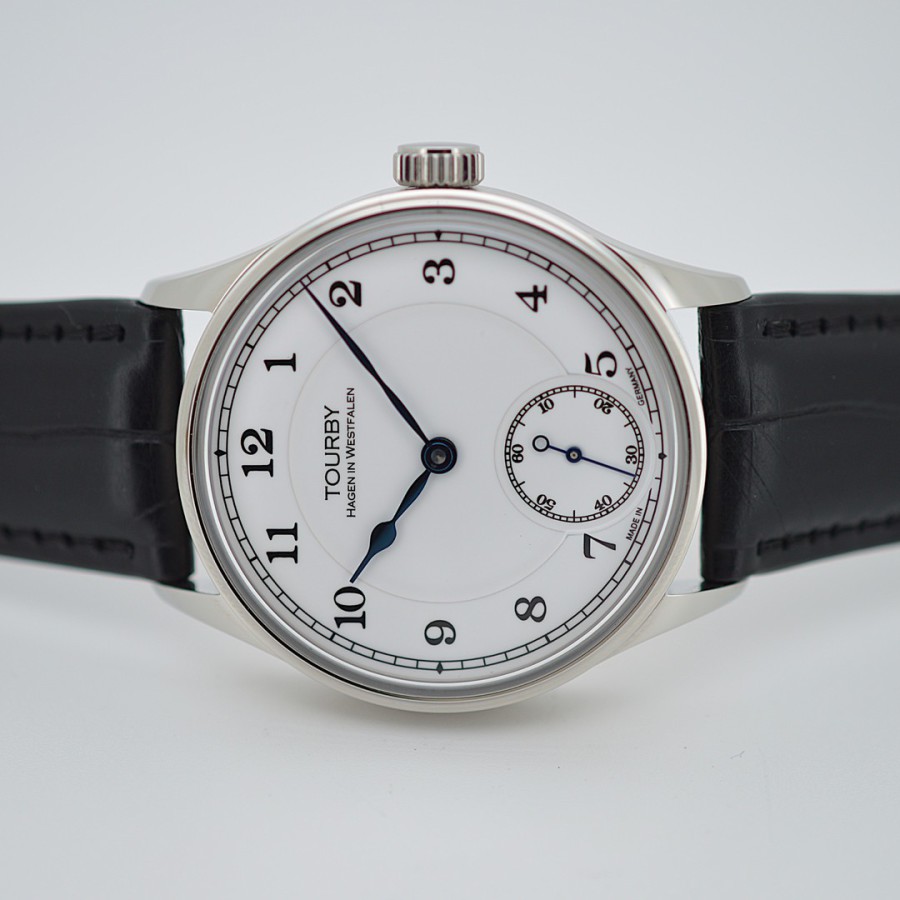
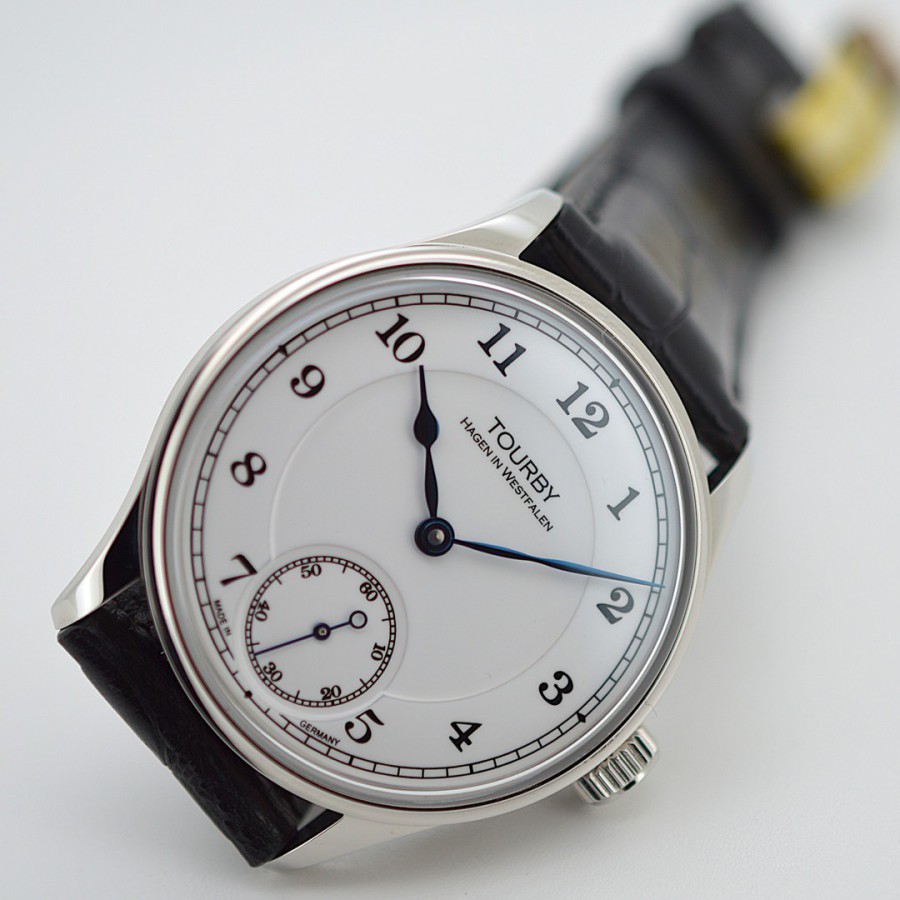
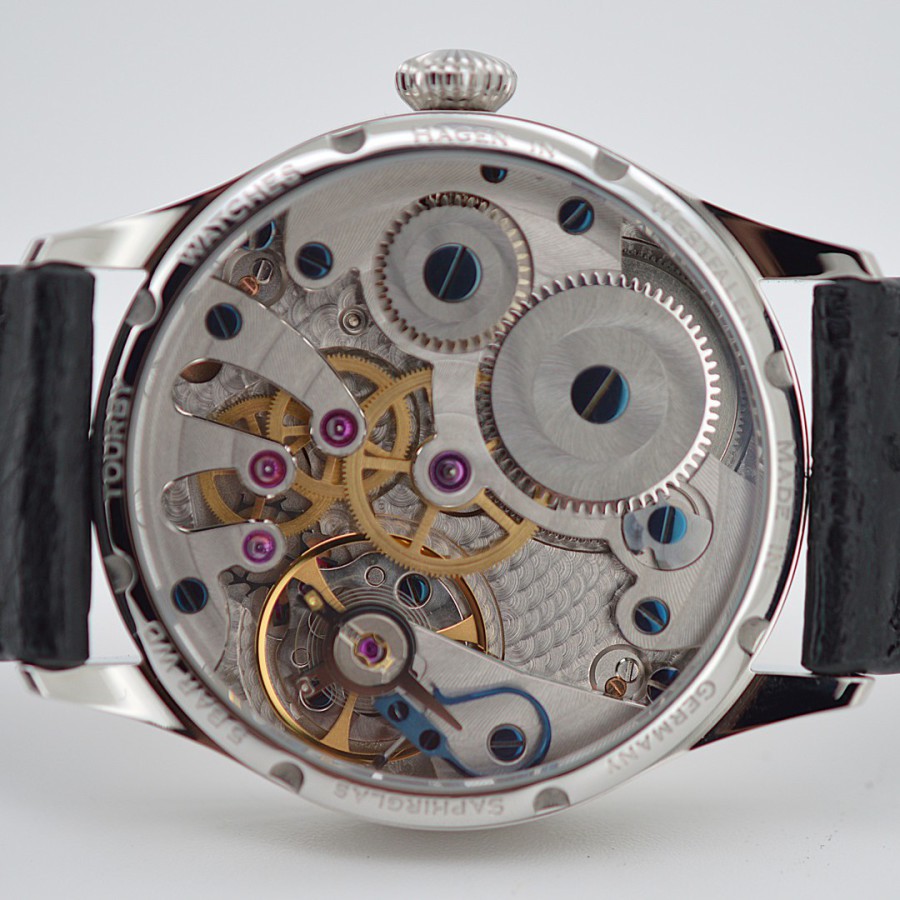
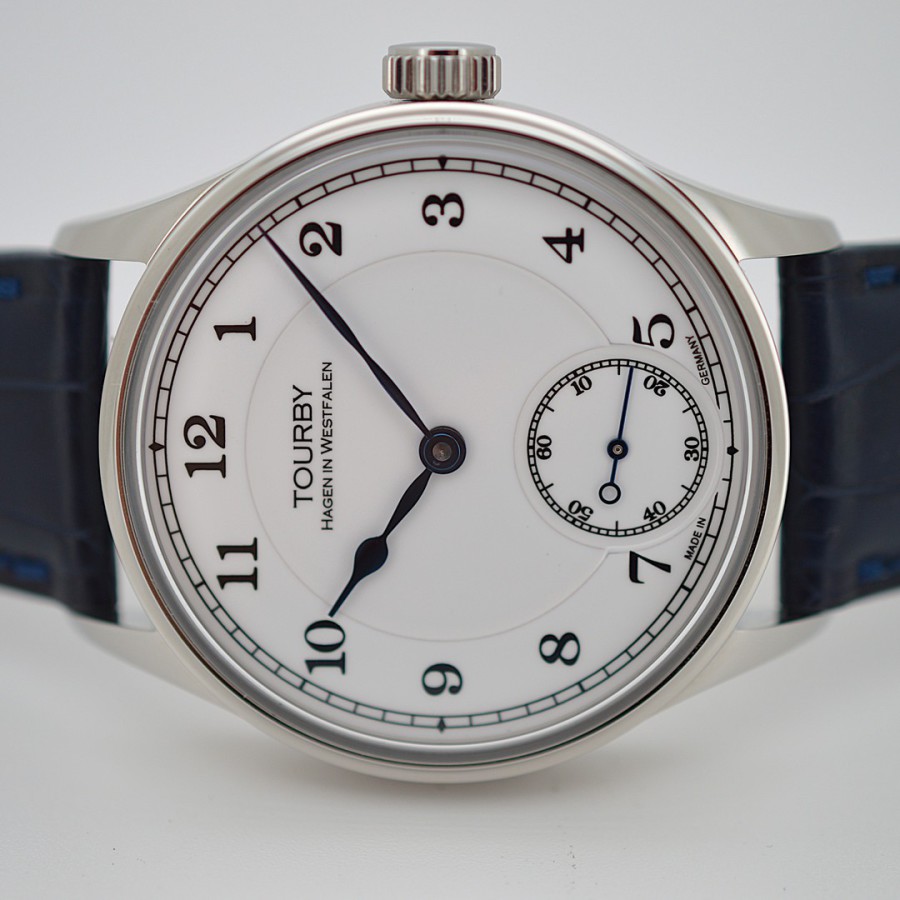
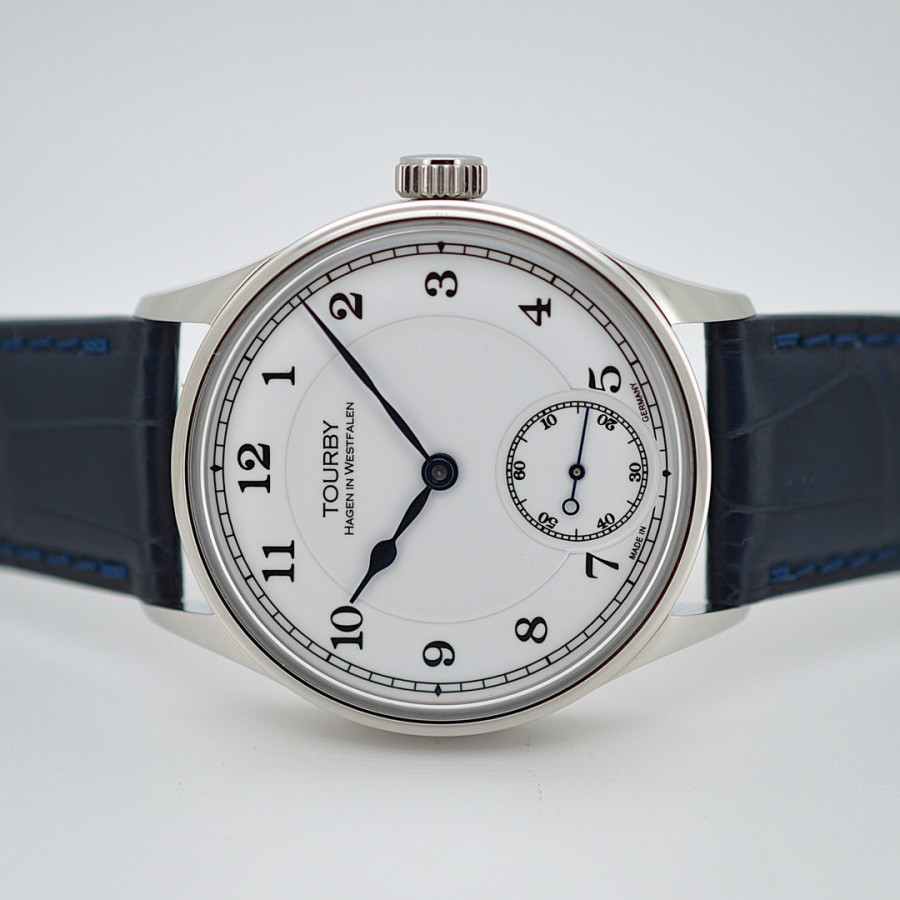
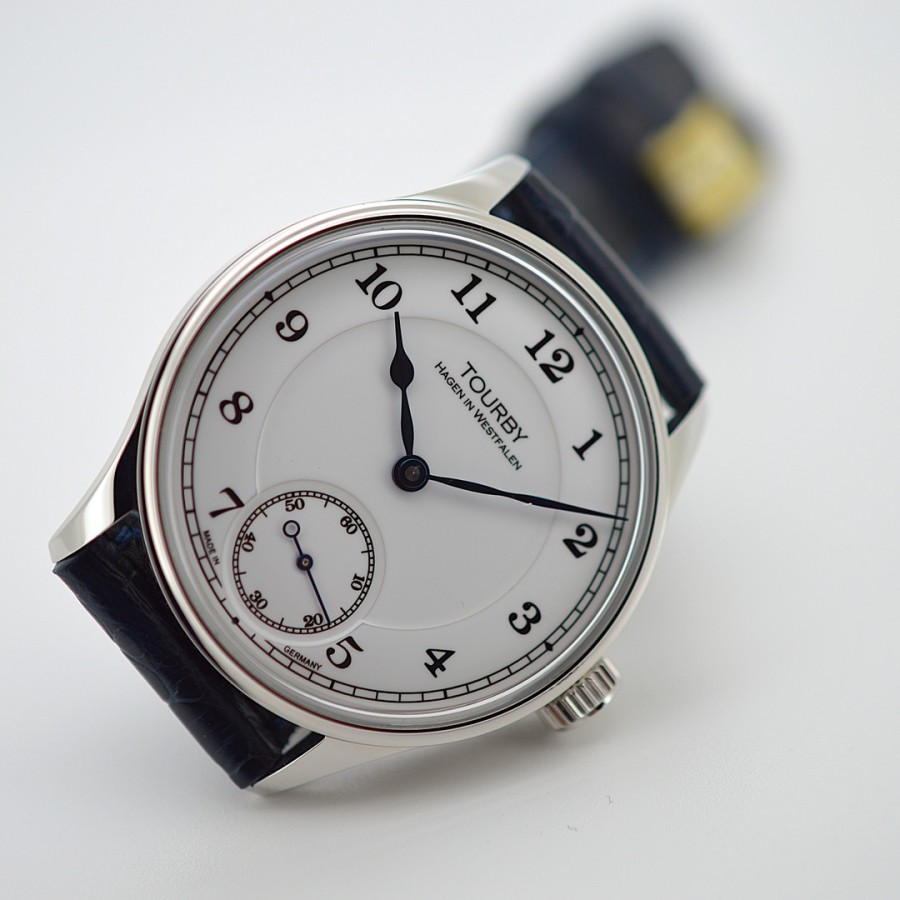
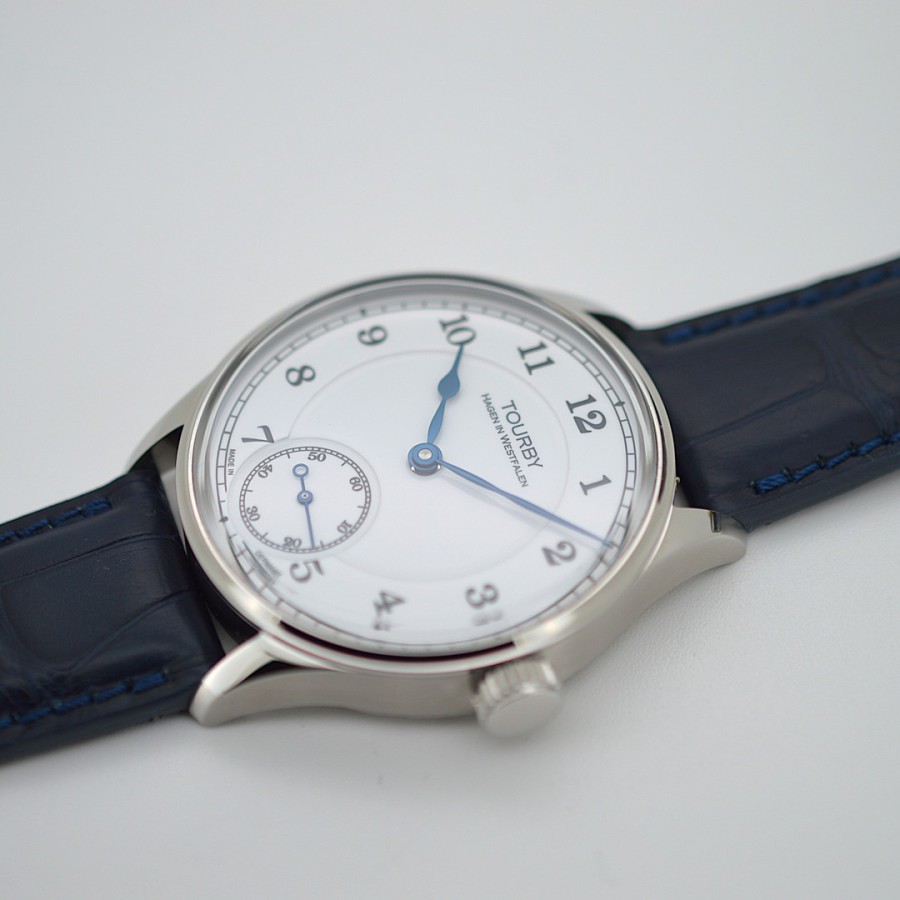
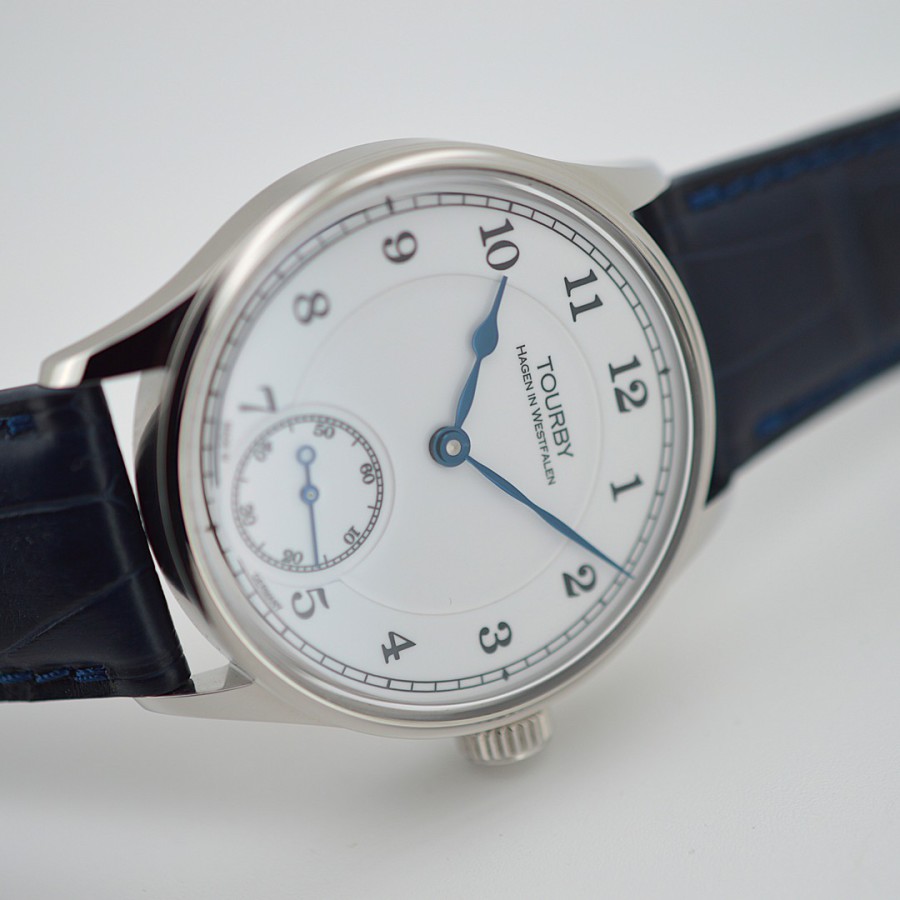
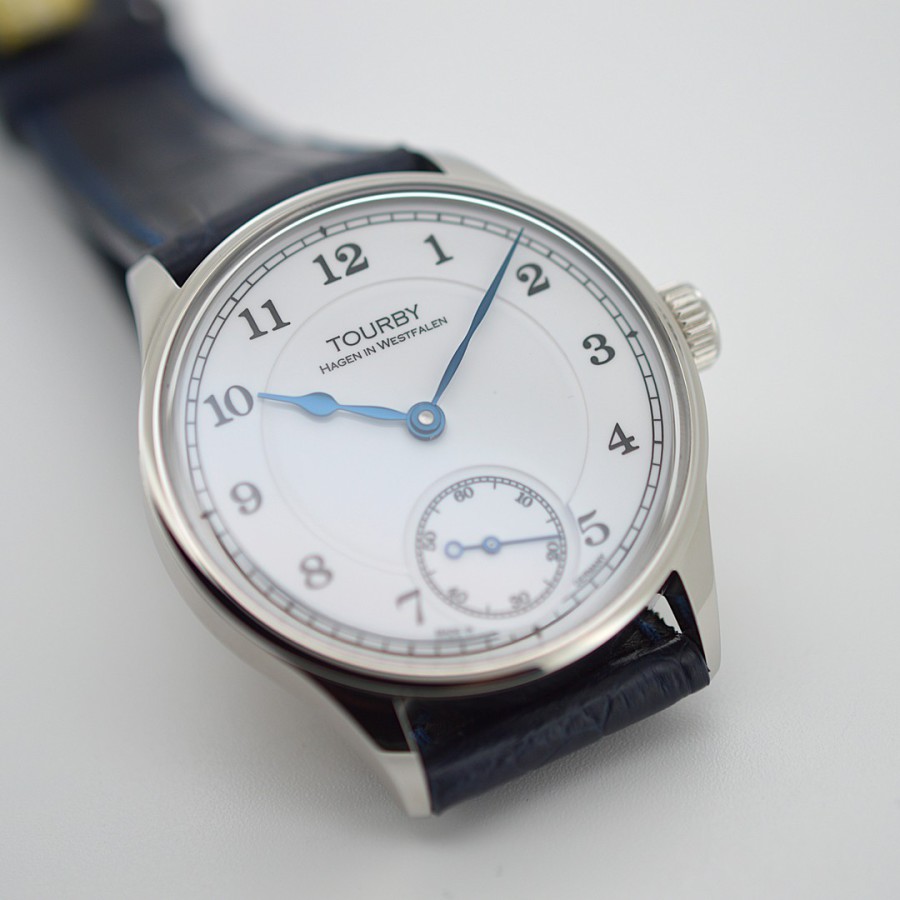
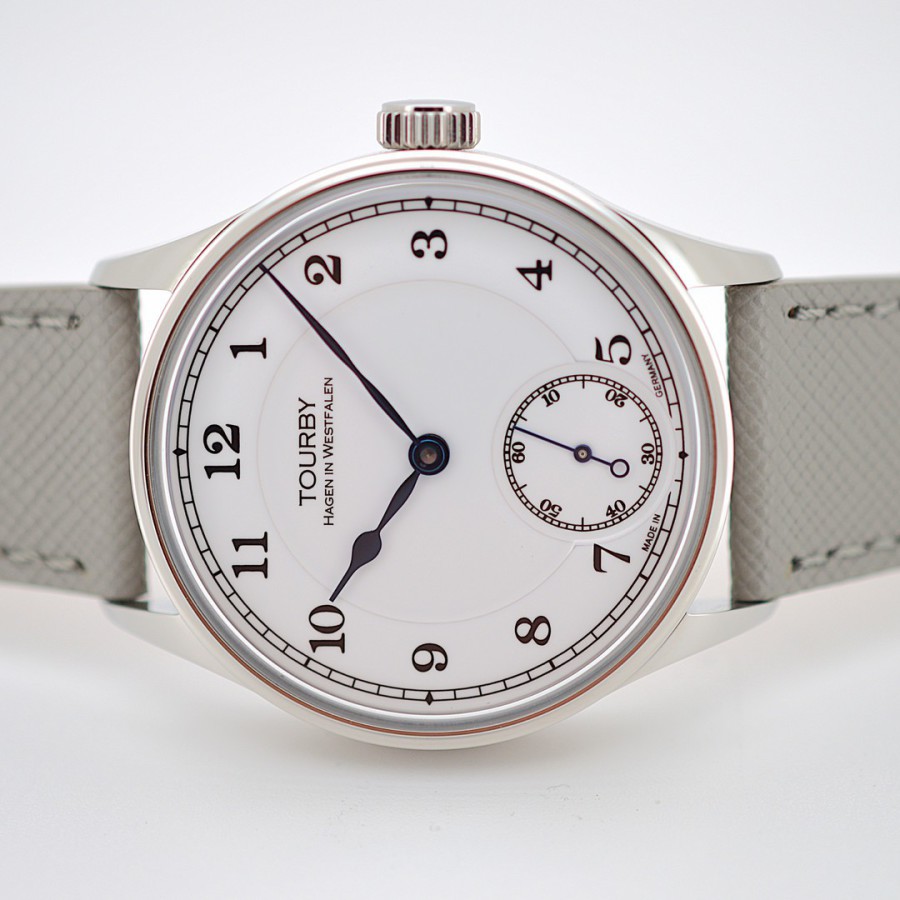
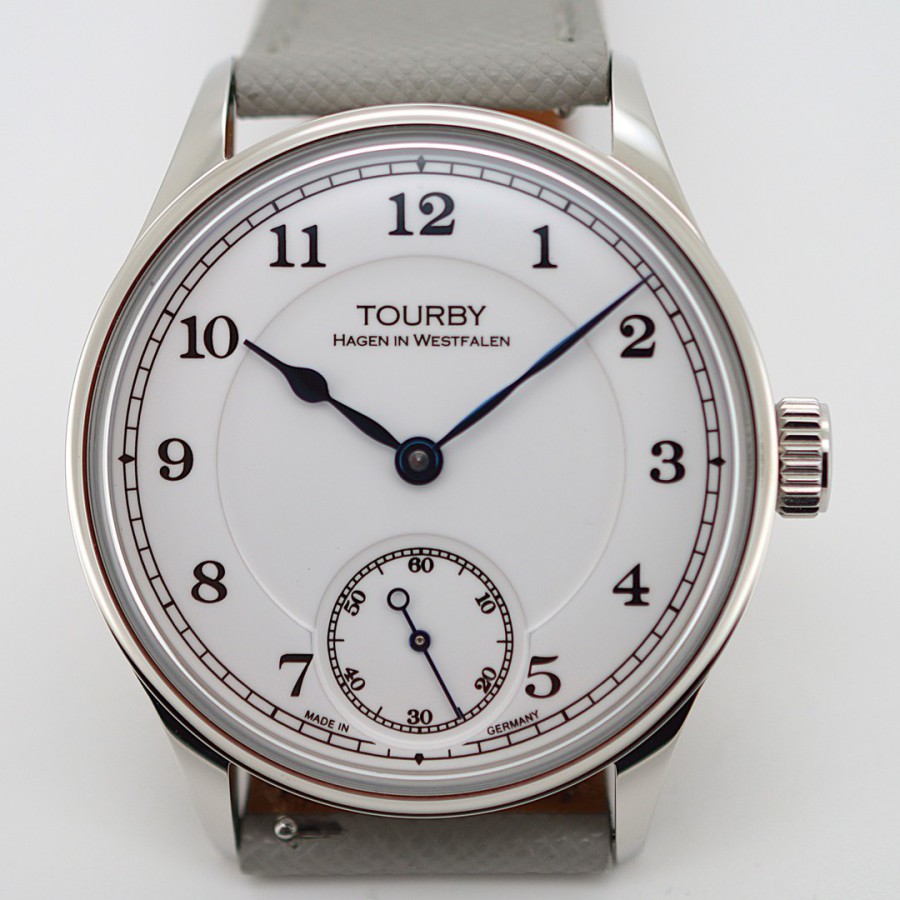
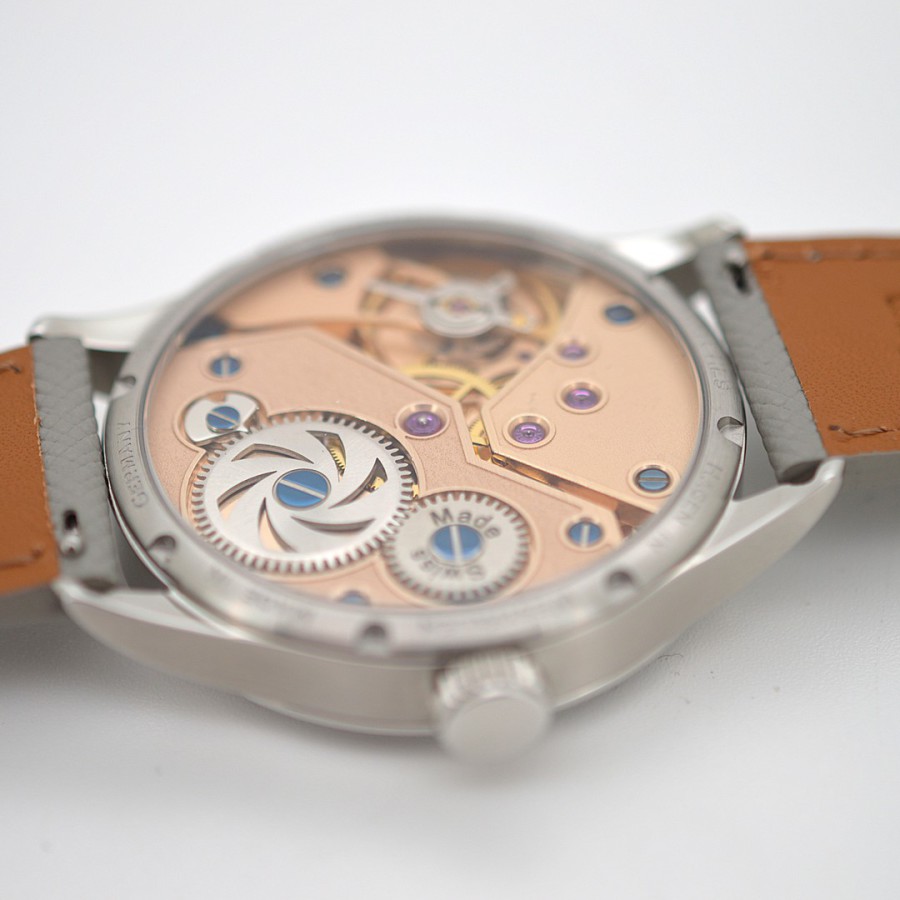
A white dial (primarily enamel on high-quality watches), black Arabic numerals, and easily legible hands. The pocket watch movements should be between 16 and 18 lignes in diameter (approximately 36-41 mm) and equipped with at least 17 jewels. Accuracy should be adjustable in five positions and within a temperature range of -1 to +38 degrees Celsius. An anchor escapement, micrometric regulation, and a maximum deviation of 30 seconds per week were further requirements.
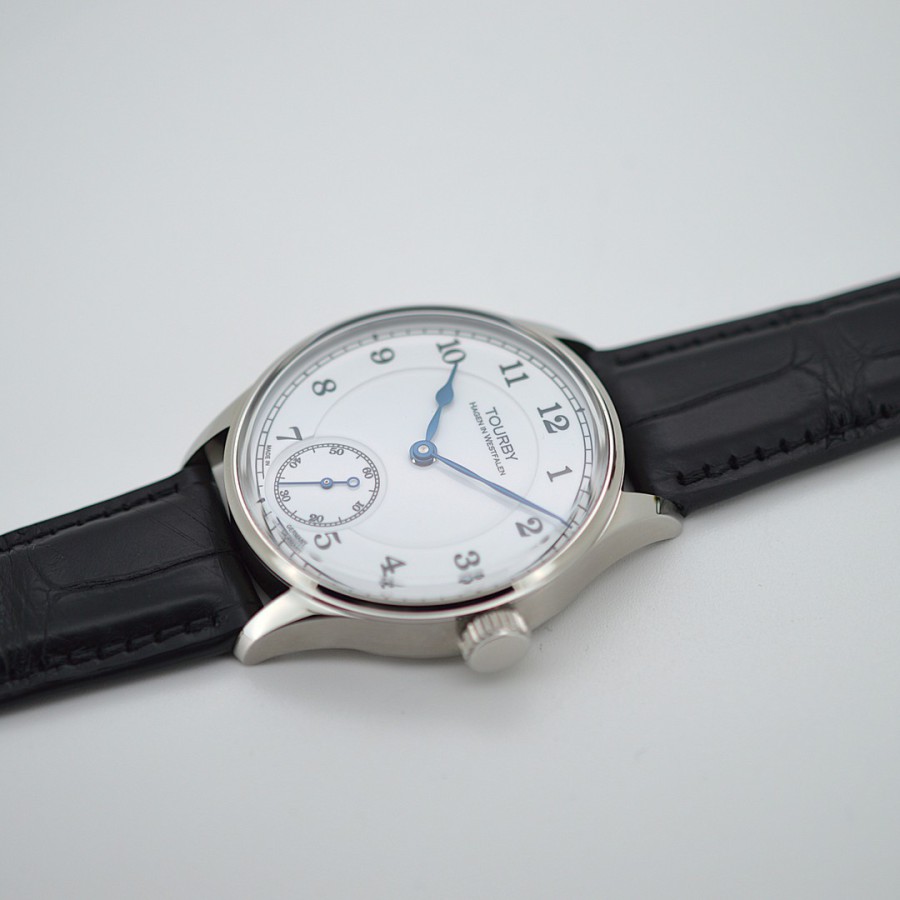
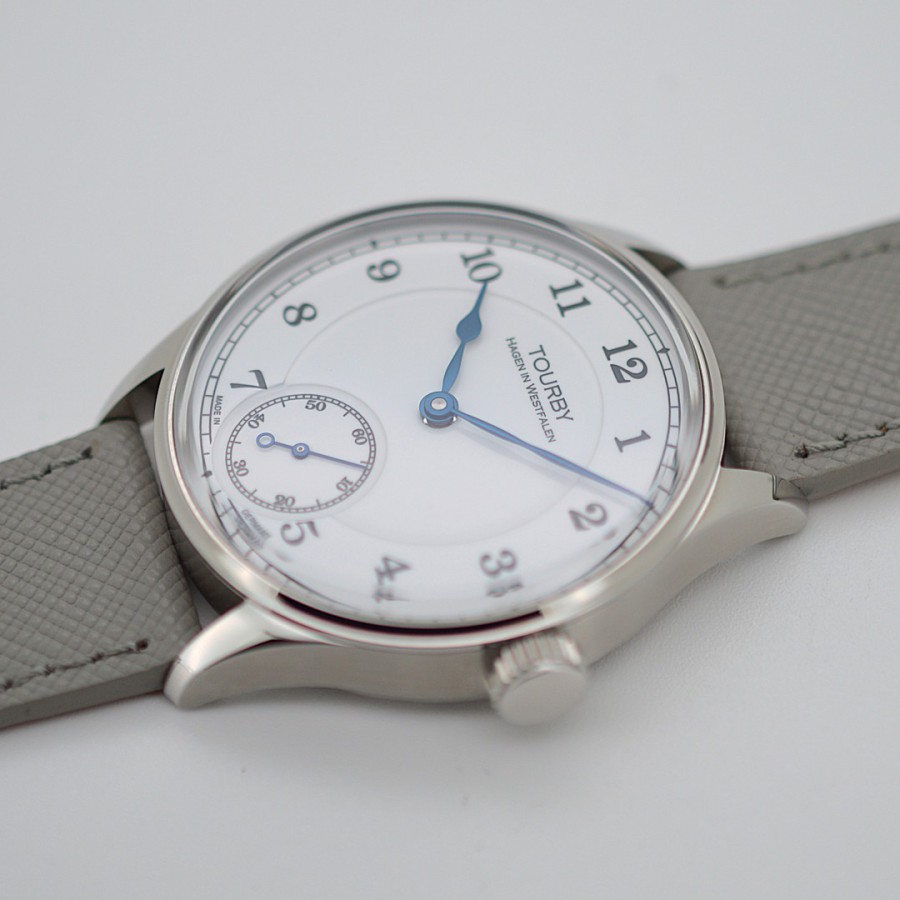
The Tourby meets all these specifications and can therefore proudly call itself a railway watch.


 Druckversion